Explore the innovative ways to upgrade your home for energy efficiency during the summer months, saving on costs and staying cool. Many homeowners seek to enhance their living spaces with smart upgrades that contribute not just to comfort but also to lower energy bills. This article will guide you through various strategies to efficiently manage home energy consumption during peak summer times.
1. What Role Do AC Companies Play in Energy Efficiency?
1.1 Choosing the Right AC Equipment
AC companies play a crucial role in advising homeowners on selecting the most energy-efficient air conditioning systems. The right equipment can drastically reduce energy consumption during peak summer months when temperatures soar. Opting for systems with higher SEER ratings can ensure that your home remains cool while cutting down on electricity use.
1.2 Maintenance and Repair Services
Regular maintenance and timely repairs by professional AC companies can prevent inefficiencies that lead to increased energy bills. By addressing issues such as refrigerant leaks and malfunctioning components, these services ensure optimal performance. A well-maintained AC unit also contributes to the longevity of the equipment, further preserving energy resources.
1.3 Energy-saving Features in Modern Systems
Many modern air conditioning systems come equipped with advanced features designed to enhance energy efficiency. These include programmable thermostats, zone cooling, and variable speed compressors that adjust output based on need. AC companies can guide homeowners on how to maximize the use of these features for significant savings.
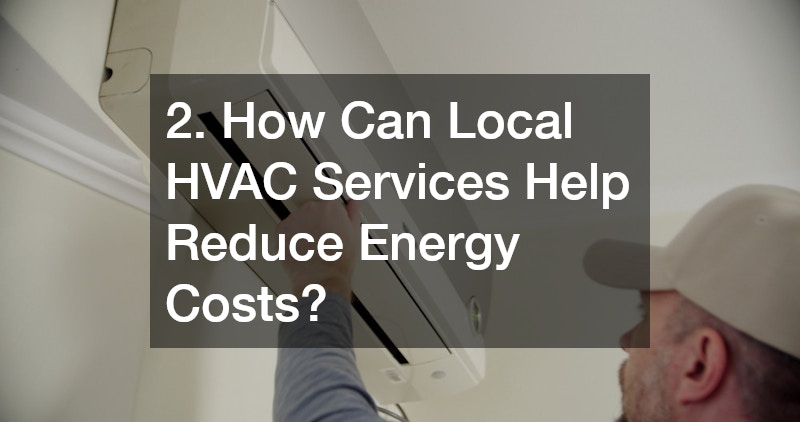
2. How Can Local HVAC Services Help Reduce Energy Costs?
2.1 Importance of Seasonal Check-Ups
Local HVAC services often provide seasonal check-ups to ensure heating and cooling systems operate efficiently. These check-ups can detect issues like clogged filters or duct obstructions, which can compromise system performance and increase energy use. Regular servicing by HVAC professionals helps in maintaining optimal usage of energy resources.
2.2 Customized Solutions for Your Home
Local HVAC services offer tailored solutions that address specific energy efficiency needs of your home. By analyzing your home’s layout and insulation, they can recommend system adjustments or upgrades to enhance energy conservation. Personalized strategies, such as duct sealing, can significantly impact energy savings.
2.3 Energy-efficient Upgrades and Retrofitting
Investing in energy-efficient upgrades like programmable thermostats or energy-star rated systems can be facilitated by local HVAC services. Retrofitting older systems with newer, more efficient technologies can also reduce energy costs over time. These investments often pay off by reducing monthly energy bills and improving overall system efficiency.
3. Is Geothermal Installation Worth the Investment?
3.1 Understanding How Geothermal Systems Work
Geothermal installations harness the Earth’s stable underground temperatures for heating and cooling needs. This system can provide efficient climate control without relying heavily on electricity, leading to substantial energy cost reductions. By circulating fluid through subterranean pipes, geothermal systems consistently maintain preferred indoor temperatures with minimal energy use.
3.2 Initial Costs Versus Long-term Savings
While the initial cost of geothermal installation can be significant, the long-term savings on energy bills provide an attractive return on investment. This technology is known to reduce annual heating and cooling costs by up to 70%. Additionally, many regions offer rebates and incentives to offset installation expenses, making it a financially feasible option for homeowners.
3.3 Environmental Benefits of Geothermal Energy
Utilizing geothermal energy greatly reduces greenhouse gas emissions, contributing positively to environmental sustainability. This system does not burn fossil fuels, leading to cleaner air and a reduced carbon footprint. By investing in geothermal energy, homeowners can significantly diminish their overall environmental impact.
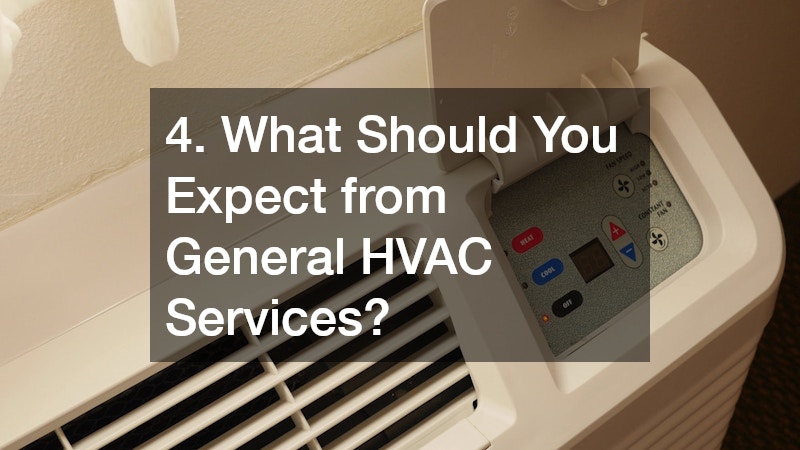
4. What Should You Expect from General HVAC Services?
4.1 Overview of HVAC Service Options
HVAC services encompass a wide range of offerings including installation, repair, and routine maintenance. Professional technicians can help choose, implement, and maintain systems that suit both budgetary and efficiency needs. These services are essential for optimizing the performance of heating, ventilation, and air conditioning systems throughout the year.
4.2 Ensuring Proper Ventilation
Proper ventilation is a key component of maintaining high indoor air quality and efficient energy use. HVAC services ensure that air distribution systems are free of blockages and configured to circulate air effectively. Increased airflow efficiency translates to better indoor comfort without the need for excess energy expenditure.
4.3 Balancing Humidity Levels for Comfort
Balancing indoor humidity through HVAC systems promotes comfortable living conditions while potentially lowering energy costs. High humidity levels can lead to increased HVAC system workload as more energy is expended to drive down heat levels. Proper system settings and maintenance can keep humidity balanced, reducing unnecessary energy consumption.
5. How Do Solar Panels Improve Home Energy Efficiency?
5.1 Basics of Solar Energy Systems
Solar panels convert sunlight into electricity, offering an effective way to power homes with renewable energy. This method drastically cuts down on electricity expenses while reducing reliance on traditional power grids. Homeowners can gain energy independence and decrease their carbon footprint by investing in solar technology.
5.2 Calculating Energy Savings with Solar
Energy savings from solar panels can be calculated by considering factors such as electricity usage, rate plans, and panel installation size. Homeowners often notice a reduction in energy costs immediately and can save thousands over the system’s lifespan. Monitoring systems allow owners to track energy production and usage, optimizing savings further.
5.3 Incentives and Rebates for Solar Installation
Many governments and organizations offer incentives and rebates to encourage solar panel installations. These financial aids make the transition to solar energy more accessible and affordable for homeowners. Understanding these programs can help reduce the initial cost of solar panels and increase the financial viability of going solar.
6. How Does a Pool Builder Integrate Energy-Saving Features?

6.1 Efficient Pool Pump Systems
Pool builders often incorporate efficient pump systems that use variable speeds to operate effectively while conserving energy. These systems adjust flow rates to meet specific needs, which reduces overall power consumption. Modern pumps can also be programmed to run during off-peak hours when electricity costs are lower, providing further savings.
6.2 Solar Heating Options for Pools
Integrating solar heating options for swimming pools can effectively extend the swim season without significant energy costs. Solar collectors harness sunlight to naturally heat pool water, eliminating the need for traditional gas or electric heaters. Pool builders can design systems customized to a homeowner’s budget and specific climate conditions.
6.3 Automated Pool Covers for Heat Retention
Automated pool covers help to retain heat when the pool is not in use, minimizing energy loss. These covers act as an insulator and also prevent water evaporation, reducing the need for additional water and chemical treatments. Pool builders can incorporate these features to enhance energy efficiency and decrease associated operational costs.
7. What Are the Benefits of Partnering with an Energy Company?
7.1 Comparing Energy Plans and Pricing
Partnering with an energy company allows you to explore various energy plans that suit your financial and environmental goals. Comparative analysis of pricing structures enables customers to identify cost-saving opportunities. Many energy companies also offer renewable energy packages that align with sustainability initiatives.
7.2 Understanding Peak and Off-Peak Rates
Energy companies offer insights into peak and off-peak rates, enabling customers to adjust consumption strategically. By using energy-intensive appliances during off-peak hours, significant savings can be achieved. Understanding these patterns helps in managing electricity costs more effectively over time.
7.3 Energy Audits and Home Efficiency Assessments
Many energy companies provide energy audits and home efficiency assessments to pinpoint areas of improvement. These evaluations can lead to actionable insights on reducing energy consumption and lowering monthly bills. Implementing audit recommendations creates a roadmap for enhancing home energy efficiency systematically.
8. How Does Oil Delivery Affect Heating and Cooling Costs?
8.1 Advantages of Bulk Oil Purchases
Buying oil in bulk through oil delivery services can lead to significant cost savings due to economies of scale. Many suppliers offer discounts for larger purchases, which can reduce unit costs over time. Additionally, scheduling timely deliveries ensures a steady supply, preventing costly emergency fills.
8.2 Monitoring Oil Consumption Patterns
Tracking oil usage patterns can highlight inefficiencies and lead to more informed purchasing decisions. Regular monitoring allows homeowners to adjust their consumption habits and identify areas for energy savings. Implementing conservation strategies helps in optimizing both cost and environmental impact.
8.3 Alternatives and Supplements to Oil Heating
Exploring alternatives such as upgrading to more efficient heating systems can offer financial and environmental benefits. Many modern systems offer greater efficiency and convenience than traditional oil heating. Additionally, integrating supplemental systems like heat pumps can further enhance heating effectiveness and reduce reliance on oil.
9. How Can Managing a Propane Tank Improve Energy Use?
9.1 Safe Installation and Maintenance Practices
Managing a propane tank involves ensuring it is installed and maintained according to safety guidelines. Regular inspections can prevent leaks or other issues that result in wasted energy and increased costs. Proper management ensures a reliable energy source that contributes to efficient and safe home heating.
9.2 Cost-Efficient Use of Propane
Efficient use of propane can be achieved through proper appliance settings and regular maintenance. Adjusting and upgrading appliances to high-efficiency models ensures optimal energy use and cost savings. Propane is known for its clean-burning properties, making it an environmentally friendly option for reduced carbon emissions.
9.3 Switching Appliances to Propane for Better Efficiency
Switching to propane-fueled appliances from traditional electric or oil systems can yield better efficiency levels. Propane appliances often operate more cost-effectively, thanks to their clean-burning nature and adaptability. Energy companies can offer insights on choosing the right appliances to enhance home energy efficiency.
10. Why Should You Regularly Consult an AC Company?

10.1 Identifying Parts for Replacement Before Summer
Consulting regularly with an AC company allows for the early identification of necessary part replacements. This proactive approach prevents unexpected system failures during peak summer demand when reliable cooling is critical. Addressing these needs before temperatures rise ensures uninterrupted comfort and efficiency.
10.2 Exploring New Models with Higher Efficiency Ratings
AC companies can introduce homeowners to new models that boast higher efficiency ratings and advanced features. Transitioning to these cutting-edge systems can lead to substantial energy savings through improved technology and performance. Exploring options with expert guidance ensures decisions align with both energy requirements and budgetary constraints.
10.3 System Analyses for Optimizing Cooling Solutions
Routine system analyses provided by AC companies ensure that cooling solutions are optimized for peak performance and energy use. These assessments can identify underperforming areas and suggest improvements tailored to specific home requirements. Optimization results in sustained energy savings and enhanced indoor comfort across seasons.
By understanding and implementing the right home upgrades, you can significantly reduce your energy consumption during summer, ensuring sustainability, comfort, and cost-efficiency. From choosing suitable AC units and harnessing solar energy to exploring geothermal systems and smart HVAC practices, multiple strategies exist to enhance energy efficiency at home. With these considerations, homeowners can enjoy a cool, energy-saving summer.
Improving insulation is one of the most effective ways to maintain indoor comfort during warmer months. Proper attic insulation and sealed air leaks help keep cool air inside while preventing hot outdoor air from entering. These upgrades allow cooling systems to operate more efficiently and reduce overall energy usage.
Window treatments can also play a meaningful role in managing indoor temperatures. Installing energy-efficient windows, reflective films, or thermal curtains helps limit heat gain from direct sunlight. By reducing solar heat entering the home, these improvements lessen the workload on air conditioning systems.
Regular system maintenance further supports summer energy efficiency. Cleaning or replacing air filters, inspecting ductwork, and scheduling professional HVAC tune-ups help systems run smoothly throughout the season. Well-maintained equipment performs more effectively, providing reliable cooling while minimizing unnecessary energy consumption.
Homeowners can also adopt simple daily habits that support energy savings during the summer months. Using ceiling fans to improve air circulation, adjusting thermostat settings when away from home, and limiting heat-producing appliances during the hottest parts of the day can make a noticeable difference. Small adjustments combined with smart home upgrades contribute to a more comfortable and energy-conscious household.
Landscaping can also contribute to improved energy efficiency around the home. Planting shade trees or installing pergolas near windows and outdoor spaces can block direct sunlight and reduce indoor heat gain. Thoughtful exterior design not only enhances curb appeal but also supports a naturally cooler and more comfortable home environment during the summer months.