The concept of the modern garden has shifted away from purely aesthetic, high-maintenance landscapes toward outdoor spaces that function as living ecosystems. A sustainable garden is a sanctuary that supports local wildlife, conserves water, and minimizes the use of synthetic chemicals. By adopting eco-friendly practices, homeowners can reduce their environmental footprint while creating a beautiful, tranquil retreat that increases property value. This approach requires a fundamental understanding of how soil, water, plants, and structural elements interact. Rather than fighting against nature, the goal is to work in harmony with the natural characteristics of your specific climate and site.
Building a Foundation of Living Soil
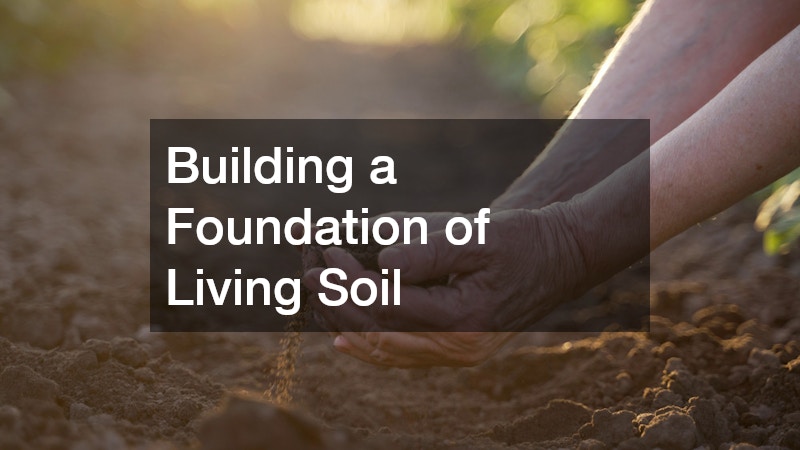
In a sustainable garden, the soil is much more than just dirt; it is a complex web of life. Healthy soil is the engine that drives plant growth, filters water, and sequesters carbon. When you prioritize soil health, you create plants that are naturally more resistant to drought, pests, and diseases.
One of the most effective ways to build soil fertility without relying on synthetic products is through the use of organic amendments. Starting a backyard pile to create your own compost allows you to recycle kitchen scraps and garden debris into “black gold.” This nutrient-rich material improves soil structure, helping sandy soils hold water and loosening heavy clay.
- Incorporate organic matter annually to maintain microbial activity.
- Avoid over-tilling, which can disrupt the delicate fungal networks in the earth.
- Use mulch to suppress weeds and keep soil temperatures stable.
Feeding your turf also requires a thoughtful approach that favors long-term health over a quick green fix. Many homeowners find success by partnering with a professional lawn fertilizing company that offers organic-based programs. These professionals use slow-release nutrients that feed the soil over time rather than providing a sudden chemical spike that can leach into groundwater.
Sustainable Tree Care and Preservation
Trees are the “green lungs” of your property, providing shade that reduces cooling costs and habitat for countless species. Maintaining these giants is a vital part of a modern, eco-friendly garden. Proper care ensures that your trees live for decades, providing maximum environmental benefits.
Routine maintenance is essential for preventing structural issues and encouraging healthy growth patterns. Engaging in regular tree trimming helps remove dead or diseased wood before it becomes a problem for the rest of the plant. This practice also allows for better light penetration and air circulation throughout the canopy, which naturally discourages the growth of harmful fungi.
- Focus on removing crossing branches that rub against each other.
- Prune flowering trees immediately after their bloom cycle.
- Never “top” a tree, as this leads to weak regrowth and permanent damage.
Sometimes, despite our best efforts, a tree becomes a risk to the home or the people living there. Identifying and managing hazardous tree removals is a necessary part of responsible property ownership. Removing a dead or dying tree that is leaning toward a structure protects your family and prevents the sudden loss of other nearby vegetation during a fall.
To handle these complex tasks safely, it is wise to consult with a reputable local tree service. Professional arborists have the specialized equipment and knowledge to manage large-scale removals and high-altitude pruning without damaging the surrounding landscape. They can also provide advice on which native species to plant as replacements to maintain your garden’s canopy cover.
Modern Hardscaping with an Ecological Edge

Hardscaping provides the structure for a modern garden, defining walkways, patios, and seating areas. In a sustainable design, these elements must be chosen carefully to ensure they do not interfere with natural water cycles. Traditional large-scale concrete slabs often lead to runoff issues that can erode soil and overwhelm local storm drains.
Integrating eco-friendly hardscaping means looking for materials that are durable and locally sourced. When you work with regional stone suppliers, you reduce the carbon emissions associated with shipping heavy materials across the country. Local stone also tends to look more natural within your landscape because it matches the geology of your surrounding environment.
- Choose natural stone over synthetic, factory-made replicas.
- Look for reclaimed or salvaged materials to give your garden a unique character.
- Use gravel or crushed stone for smaller paths to allow for natural drainage.
The way you connect different areas of your yard also impacts the environment. A well-designed paver walkway can be both a focal point and an ecological tool. If installed with wide, permeable joints filled with sand or fine gravel, it allows rainwater to seep back into the earth rather than running off into the street.
Water Conservation and Turf Management
The modern lawn is often criticized for being a “green desert,” but it can be managed in a way that supports a sustainable lifestyle. The key is to move away from the idea of a perfect, chemically dependent monoculture and toward a resilient, functional space.
Effective lawn maintenance in an eco-friendly garden involves more than just mowing. It includes practices like core aeration, which allows oxygen and water to reach the roots, and overseeding with hardy grass varieties that require less water. By keeping your grass a bit longer, you provide shade to the soil, which reduces evaporation and helps the lawn stay green during dry spells.
- Set mower blades to three inches or higher to encourage deep root growth.
- Leave grass clippings on the lawn to return nitrogen to the soil naturally.
- Water deeply but infrequently to train roots to go deeper into the ground.
Pest management is another area where a modern, sustainable approach makes a big difference. Instead of using broad-spectrum sprays that kill everything in their path, many homeowners hire a specialized insect and grub control company that utilizes targeted treatments. These experts can identify specific threats, like Japanese beetle larvae, and treat them without harming the bees and butterflies that are essential for a healthy garden.
Promoting Biodiversity and Habitat

A truly modern garden buzzes with life. By selecting native plants and creating layered habitats, you turn your yard into a corridor for local wildlife. This biodiversity actually makes your garden easier to maintain because natural predators will move in to help control common garden pests.
To support this ecosystem, you should provide the three essentials: food, water, and shelter. Planting a variety of native flowers ensures a steady supply of nectar for pollinators throughout the growing season. Trees and shrubs of varying heights offer nesting sites for birds and cover for small mammals.
- Plant in “drifts” or groups to make it easier for pollinators to find food.
- Include a small water feature, like a birdbath or a pebble pond.
- Leave some spent flower heads in the fall to provide seeds for birds in winter.
By reducing the use of harsh chemicals and focusing on soil and plant health, you create an environment where these creatures can thrive. A garden that supports a wide range of life is more resilient to environmental stressors and provides a much more interesting and educational experience for the homeowner.
Selecting Plants for a Changing Climate
Choosing the right plants is perhaps the most critical decision in sustainable gardening. As weather patterns become more unpredictable, selecting “right plant, right place” ensures that your garden can survive extreme heat or unexpected cold snaps without constant intervention.
Native plants are the champions of the sustainable garden. Because they evolved in your local climate, they are naturally adapted to the rainfall patterns and soil types of your area. Once established, native plants typically require very little supplemental watering and no chemical fertilizers. They have also developed natural defenses against local pests, further reducing the need for intervention.
- Research the “ecomap” of your region to find plants that belong in your specific zip code.
- Group plants with similar water needs together to optimize irrigation efficiency.
- Use deciduous trees on the south side of your home to provide summer shade and winter sun.
In addition to natives, consider “climate-ready” plants that may be from slightly warmer regions but are predicted to do well as your local zone shifts. This forward-thinking approach ensures that your garden remains lush and vibrant for decades to come. Avoiding invasive species is equally important; these non-native plants can escape your garden and outcompete local flora, damaging the broader ecosystem beyond your property lines.
Managing Water as a Precious Resource

Water is one of our most valuable resources, and the sustainable garden is designed to capture and use every drop. This involves both reducing the amount of water you use and finding ways to harvest the water that falls for free from the sky.
Rain gardens are a popular feature in modern eco-friendly designs. These are shallow, depressed areas planted with moisture-loving natives that capture runoff from roofs or driveways. Instead of the water flowing into the sewer system, it stays on your property and slowly filters into the ground. Rain barrels are another simple addition, collecting water from downspouts that can be used to hand-water containers or vegetable beds during dry periods.
- Install a drip irrigation system to deliver water directly to the root zone.
- Use a smart irrigation controller that adjusts watering schedules based on local weather.
- Incorporate bioswales to direct water away from your foundation and into planting zones.
Mulching is the simplest water-saving tool in your arsenal. A three-inch layer of organic mulch, such as shredded bark or wood chips, can reduce soil evaporation by as much as seventy percent. It also prevents soil crusting, which allows water to penetrate more easily when it does rain. As the mulch breaks down, it further enriches the soil, continuing the cycle of sustainability.
The Role of Lighting and Energy Efficiency
Sustainability extends into the night with the way you choose to light your modern garden. Excessive or poorly directed lighting can contribute to light pollution, which disrupts the natural rhythms of nocturnal wildlife and can even affect human sleep patterns.
Modern outdoor lighting should be functional, subtle, and energy-efficient. Solar-powered LED lights are an excellent choice for path lighting because they require no wiring and use renewable energy. For areas that require more consistent light, look for “Dark Sky” compliant fixtures that are shielded to direct light downward rather than up into the atmosphere.
- Use motion sensors or timers to ensure lights are only on when needed.
- Choose “warm” color temperature bulbs, which are less disruptive to insects.
- Focus on lighting for safety and key architectural features rather than flooding the yard with light.
By carefully considering the placement and intensity of your outdoor lights, you can create a magical evening atmosphere that respects the environment. This also reduces your home’s energy consumption, leading to lower utility bills and a smaller carbon footprint.
Long-Term Maintenance and Evolution
A sustainable garden is never truly “finished.” It is a dynamic system that changes with the seasons and the years. The maintenance of an eco-friendly garden is often less about back-breaking labor and more about observation and gentle guidance.
As your garden matures, you will find that it requires less and less input from you. The soil becomes richer, the plants become more established, and the natural pest control systems find a balance. Your role shifts to one of stewardship, where you make small adjustments to keep the system healthy and beautiful.
- Keep a garden journal to track which plants thrive and which struggle.
- Perform soil tests every few years to monitor nutrient levels.
- Stay curious and continue learning about the local ecology of your region.
Embracing the imperfections of a natural garden is part of the journey. A few chewed leaves are a sign that your garden is supporting life, and a layer of fallen leaves in the autumn provides essential winter habitat for beneficial insects. This shift in perspective allows you to spend less time working in the garden and more time enjoying the vibrant, living world you have created.
By focusing on healthy soil, responsible tree care, smart hardscaping, and biodiversity, you create a space that is as functional as it is beautiful. This holistic approach ensures that your home remains a source of pride and a sanctuary for both your family and the natural world. As you watch your garden grow and change, you will find a deeper connection to the rhythms of nature right in your own backyard.