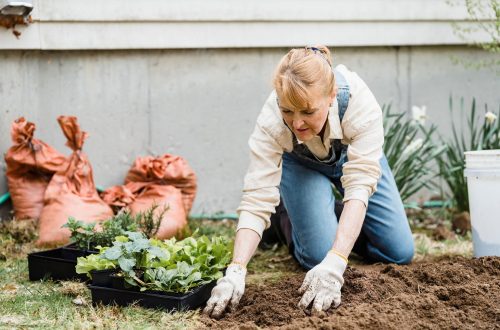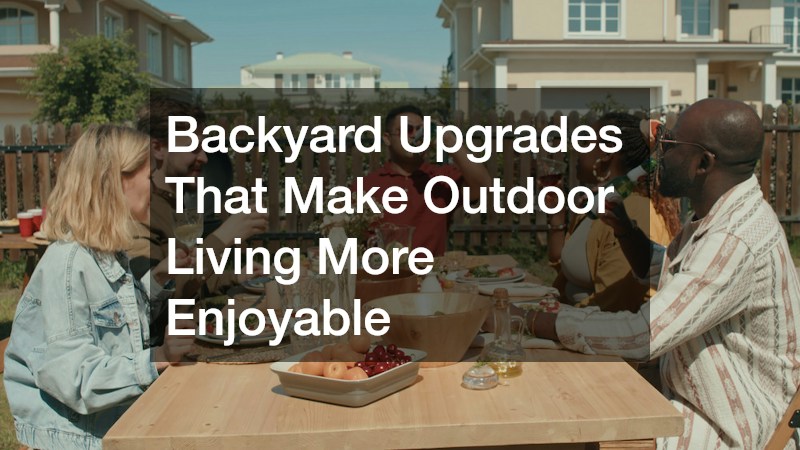
A backyard can be much more than an area behind the house. With thoughtful improvements, it can become a comfortable place to relax, entertain guests, spend time with family, and enjoy the outdoors. The right upgrades can also make the space easier to maintain and better suited to the way you use your property.
Some homeowners want more privacy, while others are interested in creating a dedicated space for entertaining or adding features that encourage outdoor recreation. Landscaping improvements can also change the look and feel of a yard, particularly when overgrown trees, old stumps, or unwanted pests interfere with how the space is used.
Backyard projects can range from relatively simple updates to larger investments that require careful planning. A new boundary can provide privacy, while updated landscaping can make the yard feel more open and inviting. Recreational additions, such as a pool or spa, can create new opportunities for relaxation and family activities. A well-designed patio can also provide a comfortable transition between indoor and outdoor living areas.
Before starting a project, consider how you want to use the yard, how much maintenance you’re willing to handle, and how each improvement will work with the existing property. Thinking about these factors can help you create an outdoor space that feels intentional rather than crowded with unrelated features. Whether you’re making one change at a time or planning several improvements together, the goal is to create a backyard that supports your lifestyle and gives you more reasons to spend time outside.
Create Privacy and Definition With a New Boundary
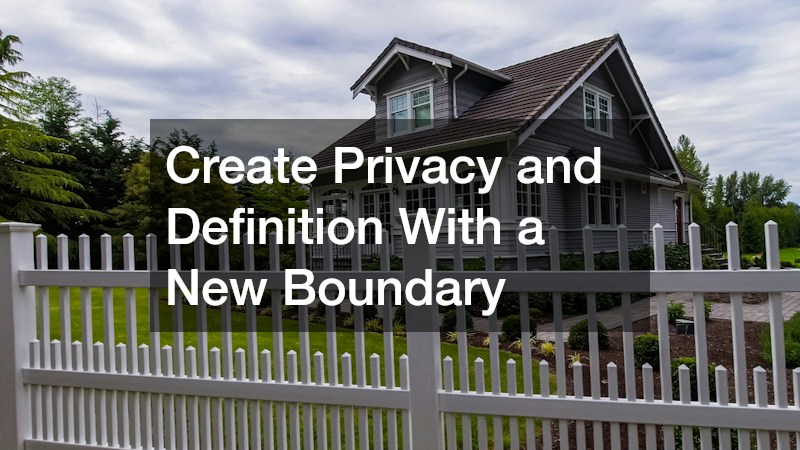
Privacy can have a major effect on how comfortable a backyard feels. A well-planned boundary can create separation between your property and neighboring yards while also defining different areas within your own outdoor space.
A fence can help establish a dedicated area for outdoor dining, recreation, gardening, or relaxing. It can also provide a backdrop for landscaping features such as shrubs, flower beds, and climbing plants. When choosing the placement and design, consider sightlines from the house, neighboring properties, gates, and access points that need to remain convenient.
A fence company can help you evaluate options based on the property’s layout, desired level of privacy, materials, and local requirements. Professional planning can be particularly useful when the yard has slopes, unusual property lines, or other features that could affect installation.
Choose a Boundary Style That Complements Your Yard
The appearance of a boundary can influence the overall character of an outdoor space. Different materials, heights, colors, and designs can create very different results, so consider how the structure will coordinate with the house and surrounding landscape.
Wood can provide a traditional appearance, while metal can create a more open visual effect. Decorative designs can add character, while taller options can provide greater privacy. Homeowners should also consider maintenance requirements, durability, and how much natural light they want to reach the yard.
Fences don’t have to surround an entire property in every situation. A shorter section can separate a patio from a lawn, define a garden, or create a distinct area for outdoor activities. Combining boundaries with landscaping can make the transition between different areas feel more natural.
Consider a Low-Maintenance Material for Your Yard
Material selection is an important consideration for homeowners who want a backyard that looks attractive without requiring extensive upkeep. Some materials require periodic staining, painting, sealing, or other maintenance to remain in good condition.
A vinyl fence can be an option for homeowners who prefer a low-maintenance boundary. Vinyl is available in various styles and colors, allowing it to work with different architectural and landscaping designs. Its smooth surfaces can also be easier to clean than some traditional fencing materials.
Before choosing a material, consider the climate, amount of sunlight, exposure to moisture, and desired appearance. It’s also useful to think about how the material will look as the surrounding landscape matures. A boundary that complements both the home and landscaping can continue to fit the property as other backyard improvements are added.
Remove Trees That No Longer Belong in Your Landscape
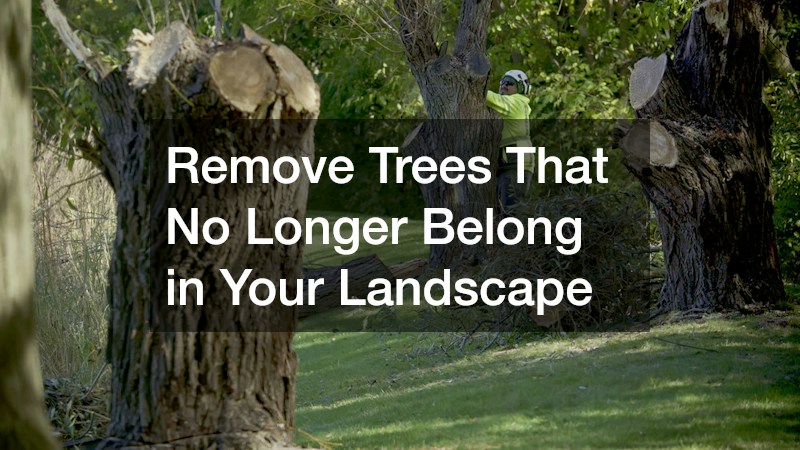
Trees can provide shade, privacy, beauty, and habitat, but not every tree is appropriate for every location. Dead, severely damaged, diseased, or poorly positioned trees can create concerns for nearby structures and outdoor areas.
Tree removal can also open up space for a new backyard feature. Removing an unwanted tree may create room for a patio, pool, play area, garden, or additional lawn space. However, tree removal involves equipment, cutting techniques, and safety considerations, particularly when large branches or trunks are close to buildings, utility lines, or other structures.
Before removing a tree, consider whether pruning or another treatment could address the concern. If removal is necessary, professional assistance can help reduce risks to people and property while leaving the area ready for the next stage of the landscape plan.
Once a tree is removed, it’s essential to consider the future use of the space and select suitable replacements or alternative landscaping elements. Thoughtful planning can result in a cohesive and aesthetically pleasing environment that integrates with the remaining landscape. Remember to consider factors such as sun exposure, soil conditions, and water availability when planning new plantings or constructions. Additionally, integrating trees or plants that are native to the area can contribute to local ecology and reduce maintenance needs.
Keep Your Trees Healthy and Well Shaped
Not every tree that interferes with a backyard needs to be removed. In many cases, selective pruning can improve its appearance and help manage unwanted growth while preserving the tree.
Tree trimming can remove dead, damaged, or overgrown branches and help maintain a more balanced shape. It can also keep branches away from structures, outdoor living areas, and other parts of the property. When trees are positioned near patios, walkways, or play areas, maintaining their growth can help keep these spaces more comfortable and accessible.
Timing and technique matter when trimming trees. Removing too much growth at once can place unnecessary stress on a tree. Professional assessment can help determine which branches should be removed and how much pruning is appropriate for the species and condition of the tree.
Clear Away Old Stumps for a Cleaner Yard
Removing a tree doesn’t always mean the work is finished. A remaining stump can take up usable space, interfere with mowing, and make future landscaping projects more difficult. It can also become an obstacle around walkways and recreational areas.
Stump grinding can reduce an unwanted stump below the surrounding ground level, leaving the area easier to use and prepare for future improvements. The process can be particularly useful when homeowners want to install new landscaping or expand an existing lawn.
Once the stump has been addressed, the area may be filled, graded, and incorporated into the surrounding landscape. Depending on the planned project, the space could eventually become part of a planting bed, lawn, walkway, or other backyard feature.
In addition to improving the aesthetics and functionality of your yard, grinding down tree stumps can also help prevent certain problems. Dead tree stumps can attract insects such as termites and ants, which could potentially spread to other parts of the garden or even inside the home. Removing the stump reduces these risks and helps maintain the health and safety of the property.
Add a Pool for More Outdoor Recreation

A swimming pool can turn a backyard into a destination for recreation and relaxation. It can provide a place for exercise, family activities, and entertaining during warmer months.
When planning a pool, consider the size and shape of the available yard, access to the property, surrounding landscaping, and how much space should remain for other activities. The location of the pool can also affect privacy, sunlight, views from the house, and access to outdoor living areas.
Swimming pool builders can help homeowners evaluate design options and plan the installation around the property’s existing features. It’s also important to consider safety features, maintenance requirements, equipment placement, and local regulations before construction begins.
A pool doesn’t need to occupy the entire backyard. Thoughtful placement can leave room for seating, landscaping, pathways, and other features that make the space useful even when the pool isn’t being used.
Create a Relaxing Place to Unwind at Home
For homeowners who want the benefits of water recreation without dedicating the entire yard to a traditional pool, a spa can provide another option. A spa can create a comfortable setting for relaxing after a long day and can become a focal point for an outdoor living area.
A swim spa combines features associated with swimming and spa use, giving homeowners a versatile option for exercise and relaxation. Depending on the model and design, it can provide space for water-based exercise while also offering a place to sit and unwind.
Placement deserves careful consideration. A swim spa may work well near a patio or another outdoor seating area, but homeowners should account for access, electrical requirements, drainage, privacy, and maintenance. Landscaping around the feature can also help it feel integrated into the rest of the backyard.
Build a Comfortable Space for Outdoor Gatherings
A patio can provide a dedicated surface for furniture, dining, grilling, and entertaining. It can also create a natural transition between the home and the yard.
Patio contractors can help homeowners plan a layout that fits the available space and intended use. Before construction, consider where outdoor furniture will go, how people will move between the house and yard, and whether the area needs space for a grill, dining table, fire feature, or other additions.
The material can also influence the appearance and maintenance needs of the finished space. Options may include concrete, pavers, stone, or other surfaces. Homeowners should consider drainage and grading as part of the design so rainwater can move away from the house and patio.
Lighting options such as string lights, lanterns, or built-in fixtures can enhance safety and ambiance for evening use. Adding shade can make a patio more comfortable during sunny weather. Umbrellas, pergolas, covered structures, and strategically placed trees can provide relief while also contributing to the overall design.
Protect Your Outdoor Space From Unwanted Pests
A backyard is naturally connected to the surrounding environment, which means insects and other pests can sometimes become a problem. Mosquitoes, ants, termites, wasps, and other pests can make outdoor activities less enjoyable and may create concerns around the home.
Pest control services can help homeowners address recurring pest problems and identify conditions that may be attracting unwanted insects. Standing water, overgrown vegetation, food waste, and gaps around structures can all contribute to certain pest issues.
Regular property maintenance can complement professional pest management. Keep outdoor areas clean, remove standing water when possible, maintain vegetation, and avoid allowing debris to accumulate near the house. Addressing pest concerns can make it easier to enjoy patios, pools, and other backyard features.
A backyard can serve many purposes, from providing a quiet place to relax to creating a setting for gatherings, recreation, and family activities. The most useful improvements are those that reflect how you want to spend time outdoors and how much maintenance you want to take on.
Privacy features can make a yard feel more comfortable, while thoughtfully selected materials can provide the appearance and upkeep level you prefer. Trees and other landscaping elements can also have a significant effect on how much usable space is available. Removing an unsuitable tree, maintaining healthy growth, or clearing an old stump can help prepare the property for additional improvements.
Recreational features can make outdoor time more enjoyable, whether you choose a pool, a spa, or another feature that suits your household. A well-planned patio can bring these elements together by providing a comfortable place for dining, relaxing, and entertaining. Keeping pests under control can further improve the experience by making outdoor areas more pleasant to use.
Before beginning a backyard project, consider the property’s layout, your budget, maintenance expectations, and how each addition will work with existing features. With thoughtful planning, individual upgrades can work together to create a backyard that feels comfortable, functional, and suited to everyday outdoor living.