Key Takeaways
- Start with a clear goal for your garden, such as growing food, adding flowers, creating shade, or attracting pollinators.
- Observe sunlight throughout the day before deciding where to place garden beds or containers.
- Test and understand your soil so you can choose appropriate plants and amendments.
- Select plants that match your climate, sunlight, soil, water conditions, and available growing space.
- Begin with a manageable garden and leave enough room for plants to reach their mature size.
- Check soil moisture regularly and adjust watering based on weather, soil conditions, and plant needs.
- Monitor weeds, pests, and plant health throughout the season and make gradual improvements as you gain experience.
Starting your first garden can make your yard more colorful, useful, and enjoyable. You might want to grow vegetables for your kitchen, flowers for curb appeal, herbs for cooking, or a mix of different plants. Whatever your goal, good planning can make gardening easier and help you avoid common beginner mistakes.
A successful garden is not simply about buying plants and putting them in the ground. Plants have different needs for sunlight, water, soil, and space. Your local climate also affects which plants will grow well and when they should be planted.
You do not need a large yard or expensive equipment to get started. A small garden bed or a few containers can teach you important skills without creating too much work. As you learn how plants respond to your yard’s conditions, you can expand your garden over time.
Before you start digging, take some time to understand the basics. These nine tips can help you create a healthier garden that fits your property, schedule, and experience level.
1. Decide What You Want From Your Garden
Before choosing plants, decide what you want your garden to accomplish. Having a clear purpose will help guide decisions about location, size, materials, and maintenance.
If you enjoy cooking, you might focus on vegetables and herbs you regularly use. Tomatoes, peppers, lettuce, basil, and other common crops may be useful choices when they suit your growing conditions.
A flower garden can add color and improve the appearance of your yard. You can choose plants that bloom at different times to keep the area interesting throughout the growing season.
Some homeowners want a garden that attracts pollinators such as bees and butterflies. Others may want privacy, shade, or a more attractive view from a window or patio.
Write down your main goals before shopping. It is easy to become excited at a garden center and buy more plants than your space can support.
For your first year, keep the project manageable. A smaller garden that receives regular care will usually be more rewarding than a large one that becomes difficult to maintain.
2. Study How Sunlight Moves Across Your Yard
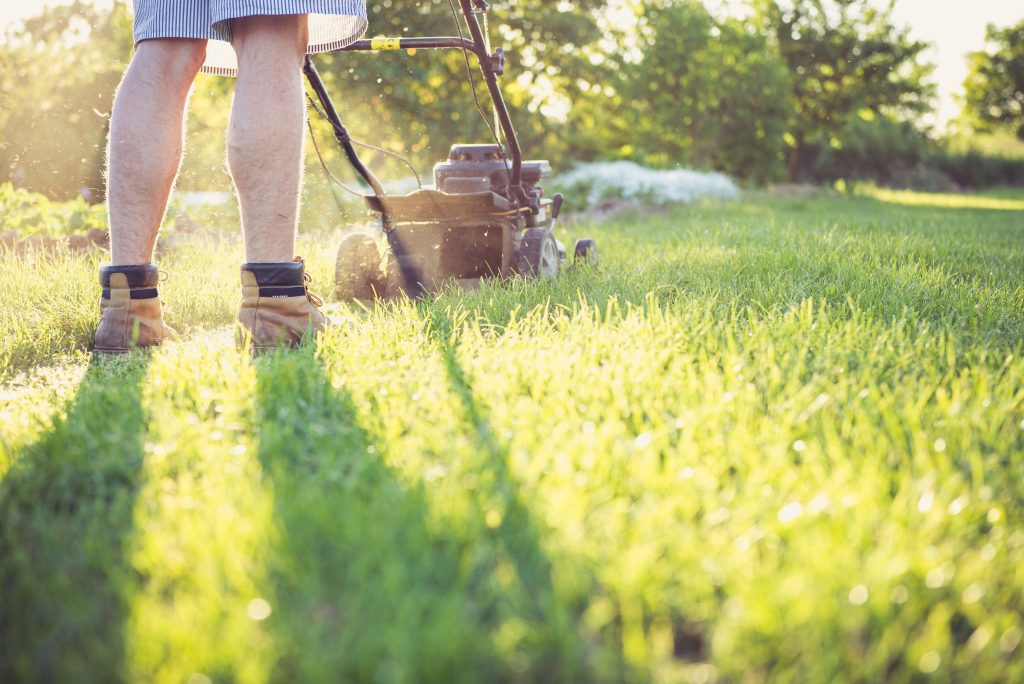
Sunlight is one of the most important factors in deciding where to place a garden. Plants vary in how much direct light they need, so a beautiful location is not necessarily the best growing location.
Observe your yard at different times of day. Check it in the morning, around midday, and during the afternoon. Buildings, fences, trees, and other structures may create shade as the sun moves.
Do not judge the area based on one quick observation. A spot that looks sunny in the morning may spend most of the afternoon in shade.
When shopping for plants or seeds, read their sunlight requirements. Terms such as full sun, partial sun, and shade provide useful guidance, but the exact amount of light can vary by plant.
Sunlight can also affect the home itself. Strategically placed trees and larger plants may eventually provide shade around outdoor living areas or certain parts of the house. Thoughtful landscaping may contribute to summer energy savings by reducing direct solar heat around appropriately located windows and walls, although results depend on climate, plant size, and placement.
Always consider mature plant size before planting close to buildings, utilities, or other structures.
3. Learn About Your Soil Before Planting
Healthy soil provides plants with support, water, air, and nutrients. Unfortunately, many beginners start planting without knowing what type of soil they have.
Begin by looking at the soil’s texture and drainage. Heavy clay may hold water for long periods, while sandy soil can drain quickly and dry out faster.
A soil test can provide more useful information. Depending on the test, you may learn about soil pH and nutrient levels. Local extension services, garden centers, or soil-testing laboratories may offer testing options.
Avoid adding large amounts of fertilizer without understanding what the soil needs. Too much of a nutrient can cause problems rather than improving plant growth.
Organic matter, such as properly finished compost, can improve many garden soils by supporting structure and moisture management. However, amendments should still be appropriate for your soil and the plants you intend to grow.
If your native soil is difficult to work with, raised beds or containers may provide another option. These allow you to create a more controlled growing environment without replacing soil across a large part of the yard.
4. Choose Plants for Your Climate and Conditions
A plant that looks attractive at the store may not be suitable for your yard. Before buying it, consider temperature, rainfall, sunlight, soil, and available space.
Check your local growing conditions and recommended planting times. Some vegetables prefer cooler weather, while others need warm soil and longer periods of heat.
Perennial plants should be able to handle typical winter conditions in your region if you expect them to return each year.
Native plants can also be worth considering because they are adapted to regional conditions and may support local wildlife. However, even native species need the correct sunlight, soil, and moisture conditions.
Read plant labels carefully. Pay attention to mature height and width rather than the plant’s current size. A small shrub at the garden center could eventually become several feet wide.
Choosing appropriate plants is an important part of sustainable garden design because plants suited to their location may require fewer resources and less corrective care than plants constantly struggling with unsuitable conditions.
The goal is to work with your yard rather than forcing plants to grow where their basic needs cannot be met.
5. Start Small and Leave Enough Space
One of the most common beginner mistakes is starting with a garden that is too large.
A big garden may look exciting at first, but every additional plant needs some level of attention. Weeding, watering, pruning, harvesting, and checking for problems can take considerable time.
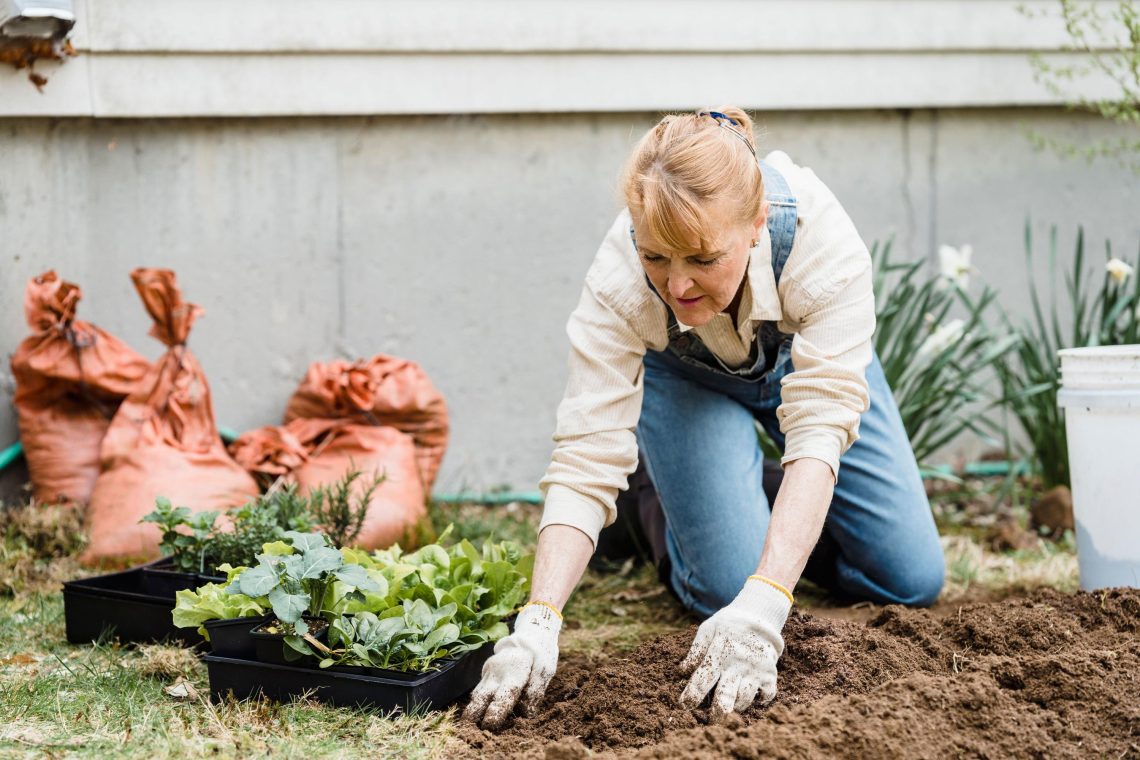
Start with a small bed, several containers, or one focused area of the yard. You can always expand after you understand how much maintenance fits your schedule.
Spacing is also important. New plants often look small, which can tempt beginners to place them close together. As they grow, crowded plants may compete for sunlight, water, and nutrients.
Crowded growth can also reduce air movement around leaves. Depending on the plant and conditions, poor airflow may contribute to certain disease problems.
Follow recommended spacing whenever possible. Your garden may look slightly empty immediately after planting, but the open areas can fill in as plants mature.
Think about access too. Leave enough room to reach plants for watering, weeding, pruning, and harvesting without stepping on the soil around their roots.
6. Understand How Much Water Your Garden Needs
Plants need water, but giving them too much can be just as harmful as giving them too little.
Water needs depend on the plant, weather, soil type, container size, and stage of growth. Newly planted flowers, vegetables, shrubs, and trees may need more attention while their roots become established.
Check the soil rather than automatically watering according to a rigid schedule. The surface may look dry while deeper soil still contains moisture.
When watering is needed, applying water to the soil near the root zone is often more useful than lightly spraying leaves. Deep watering can encourage roots to grow farther into the soil for many garden plants, though exact recommendations vary by species.
Early morning is often a practical time to water because temperatures are usually cooler and less water may be lost to evaporation than during the hottest part of the day.
Mulch can help reduce moisture loss from garden beds. Apply an appropriate material and depth for your plants, and avoid piling mulch directly against stems or tree trunks.
If you use containers, remember that they can dry out faster than garden beds and may need more frequent checks during hot weather.
7. Plan for Weeds, Pests, and Plant Problems
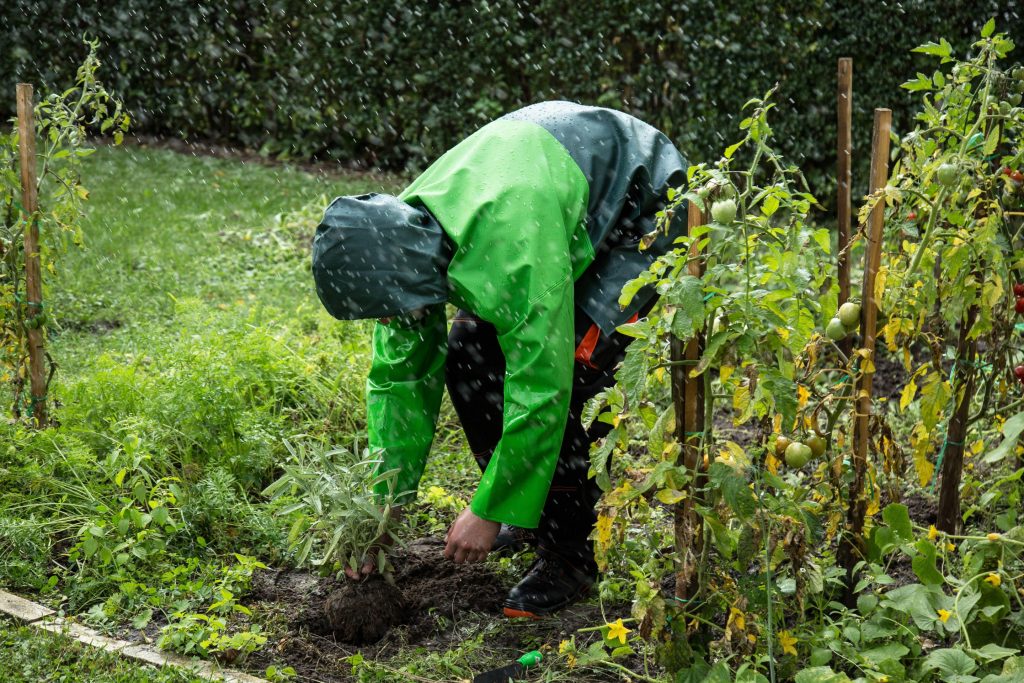
Every garden experiences some challenges. Weeds, insects, wildlife, and plant diseases are normal parts of gardening.
The key is to notice problems early.
Walk through the garden regularly and look at both sides of leaves. Watch for holes, unusual spots, discoloration, wilting, or insects. Also check the soil and stems for changes.
Do not assume every insect is harmful. Many insects are harmless or beneficial, and some help control garden pests.
If you notice damage, identify the cause before choosing a treatment. Similar symptoms can have very different causes. Yellow leaves, for example, could be related to watering, nutrients, disease, root problems, or natural aging.
Weeds are usually easier to remove when they are small. A layer of appropriate mulch can help limit some weed growth while also protecting soil moisture.
If pest control becomes necessary, start with the least disruptive method appropriate for the problem and follow product instructions carefully when using any treatment.
Regular observation can prevent a small issue from becoming a much larger one.
8. Buy Basic Tools Instead of Everything at Once
Garden stores offer countless tools and accessories, but beginners rarely need all of them.
Start with a few basic items based on the type of garden you are creating. A hand trowel is useful for planting small plants. Gloves can protect your hands, and pruning shears are helpful for trimming appropriate stems and branches.
You may also need a shovel or spade for larger planting jobs and a rake for preparing soil or collecting debris.
For watering, a hose with an appropriate nozzle or a watering can may be enough for a small garden. Larger spaces may benefit from more efficient irrigation methods.
Choose tools that feel comfortable in your hands and are appropriate for the task. Good tools do not have to be the most expensive models available.
Clean tools after use and store them somewhere dry. Proper care can prevent rust and help equipment last longer.
As your garden grows, you will discover which additional tools would actually make your work easier. Buying equipment gradually can save money and prevent unused tools from filling your garage or shed.
9. Expect the Garden to Change Over Time
Gardens are never truly finished. Plants grow, seasons change, weather varies, and some ideas work better than others.
Your first year should be treated as a learning experience. Keep notes about what you planted, when you planted it, and how each plant performed.
Take photos throughout the growing season. They can help you remember where plants are located and show how much they change over several months.
If a plant struggles, do not immediately assume you are bad at gardening. The location may receive the wrong amount of sunlight, the soil may drain poorly, or the plant may simply be unsuitable for your conditions.
Move plants when appropriate, change watering habits, or select a different variety next season.
Also pay attention to how much time you enjoy spending on maintenance. If you prefer a lower-maintenance yard, you can gradually replace demanding plants with options better suited to your schedule.
Successful gardening often comes from observation and adjustment rather than trying to create a perfect yard during the first season.
Conclusion
Starting your first garden can be exciting, but planning before planting can save time, money, and frustration. Begin by deciding what you want from the space and studying the conditions already present in your yard.
Pay close attention to sunlight, soil, water, climate, and mature plant size. Choosing plants that match those conditions gives them a better chance of growing well. Starting with a small area can also make watering, weeding, and general maintenance easier while you build experience.
You do not need every gardening tool or the most expensive materials to create an attractive space. A few useful tools, healthy soil, suitable plants, and consistent care can provide a strong foundation.
Most importantly, give yourself time to learn. Some plants will thrive, while others may need to be moved or replaced. Each season provides new information about your yard and how you prefer to garden.
By observing your plants, solving problems early, and making gradual improvements, you can create a garden that becomes healthier, more useful, and more enjoyable over time.